
Curion’s Kristin Stine and Katie Miller attended IIEX North America 2026 and came back with this recap of the ideas, themes, and shifts that defined the event. One thing became clear: the insights industry is evolving, quickly, and with greater intention than ever before with a huge focus on human-centered consumer insights.
This year’s conference reflected a collective shift toward understanding real human behavior, designing research with greater context, and determining where emerging technologies like AI genuinely enhance outcomes.
Rather than focusing on what’s new, the conversation centered on what works, and how to make insights more predictive, actionable, and human.
Here’s what stood out.
Moving Beyond What Consumers Say
A dominant theme across sessions was the industry’s move away from relying solely on stated intent and rationalized feedback. Increasingly, brands are recognizing that what consumers say doesn’t always align with what they do.
Organizations like Rivian, PepsiCo, Church & Dwight, and Solidcore shared how they are rethinking traditional approaches:
- Studying behavior in real-world or simulated environments
- Observing decision-making in context (such as at shelf or in digital spaces)
- Prioritizing behavioral signals over post-rationalized responses
The implication is significant: the future of insights lies not in measuring opinions after the fact, but in predicting choice, uncovering friction, and understanding the emotional and situational drivers behind decisions.
Designing for Real Human Needs
Alongside this shift is a deeper commitment to human-centered design, one that considers both emotional and functional realities.
A standout example came from Estée Lauder. While consumers claimed that prestige and luxury drove their preferences, observational research revealed something more fundamental: confidence stemmed from ease of use, how a product felt in-hand, how easily it opened, and how intuitive it was to apply.
This reframing, from abstract brand perception to tangible user experience, echoed throughout the conference. Brands are increasingly:
- Blending “head and heart” frameworks
- Designing for comfort, usability, and emotional resonance
- Recognizing that purchase drivers are not always the same as loyalty drivers
The takeaway is clear: understanding the full human experience with human-centered consumer insights, not just rational inputs, leads to stronger, more meaningful innovation.
AI vs Human-Centered Consumer Insights
While AI remained a prominent topic, the tone has matured significantly. The conversation is no longer about whether AI can make research faster, it’s about whether it makes it better.
Across sessions, a consistent message emerged: speed alone is not enough. Clients are demanding rigor, transparency, and trust. The most effective approaches are not “AI versus human,” but rather AI-assisted and human-validated.
Industry leaders emphasized:
- The importance of integrating AI into broader research systems
- The need to maintain methodological rigor in automated workflows
- The ongoing role of human expertise in interpretation and strategy
The result is a more balanced and pragmatic view of AI, one that prioritizes meaningful impact over novelty.
Context Is the New Competitive Advantage
Another clear takeaway was the growing importance of realism in research design. The more closely research mirrors real-life decision-making environments, the more accurate and actionable the insights.
Examples highlighted across the event included:
- Mobile-first and in-the-moment methodologies
- Digital behavioral tracking
- Shelf-context evaluations
- Ad-native and platform-integrated research experiences
Brands like PepsiCo and Church & Dwight demonstrated how meeting consumers in their natural environments leads to stronger signals and more reliable outcomes.
This reinforces a broader industry belief: better context leads to better insight.
Functional Benefits Matter, With Meaning
While emotional drivers are gaining attention, functional benefits remain critical, but only when they connect to real human needs.
Across CPG/FMCG and wellness-focused sessions, brands highlighted the importance of balancing:
- Practical value (e.g., affordability, convenience)
- Sensory experience (e.g., taste, usability)
- Emotional relevance (e.g., comfort, identity, occasion)
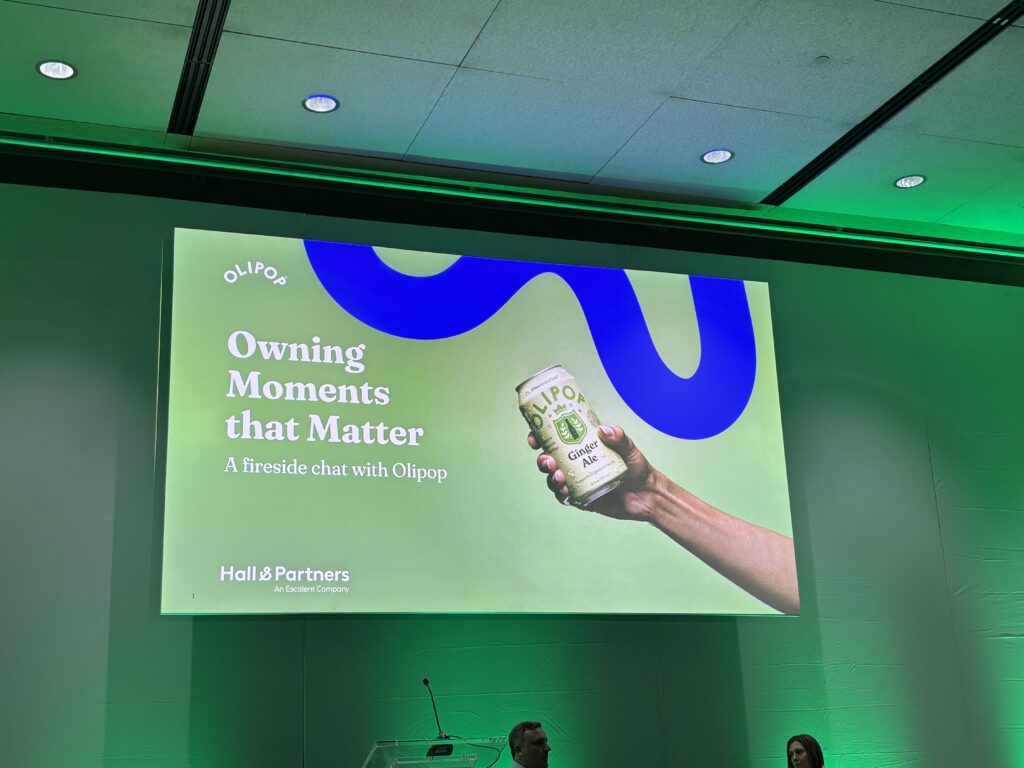
For example, Olipop’s approach to building strong brand associations centered on aligning with the right “demand spaces”, ensuring functional benefits ladder into meaningful, situational relevance.
Consumers today are nuanced and context-driven, making it essential for brands to understand not just who they are, but how and why they make decisions in specific moments.
Leadership and Perspective Still Matter
Beyond methodologies and technology, the conference also highlighted the importance of perspective and leadership in shaping the future of insights.
In the session “Female Founders Building the Future,” founders shared how they built successful companies by identifying unmet needs, challenging traditional models, and leading with a clear point of view. A key takeaway was the importance of evolving alongside the industry, remaining adaptable while staying grounded in purpose.
This human element; vision, curiosity, and a willingness to challenge norms, remains a defining factor in successful innovation.
Bringing It All Together
The overarching theme of IIEX 2026 was not about chasing the latest tool or trend. Instead, it signalled a recalibration of what high-quality insights work truly looks like.
The strongest approaches consistently:
- Ground learning in real behavior
- Embrace human complexity
- Validate insights in realistic contexts
- Apply AI selectively and responsibly
- Connect findings directly to business decisions
For organizations focused on experiential, behavioral, and product-centered research, these shifts reinforce a core truth: the most valuable insights are those that reflect how people actually live, choose, and engage in the real world.
As the industry continues to evolve, one thing is certain, understanding humans, in all their complexity, will remain at the center of meaningful innovation.